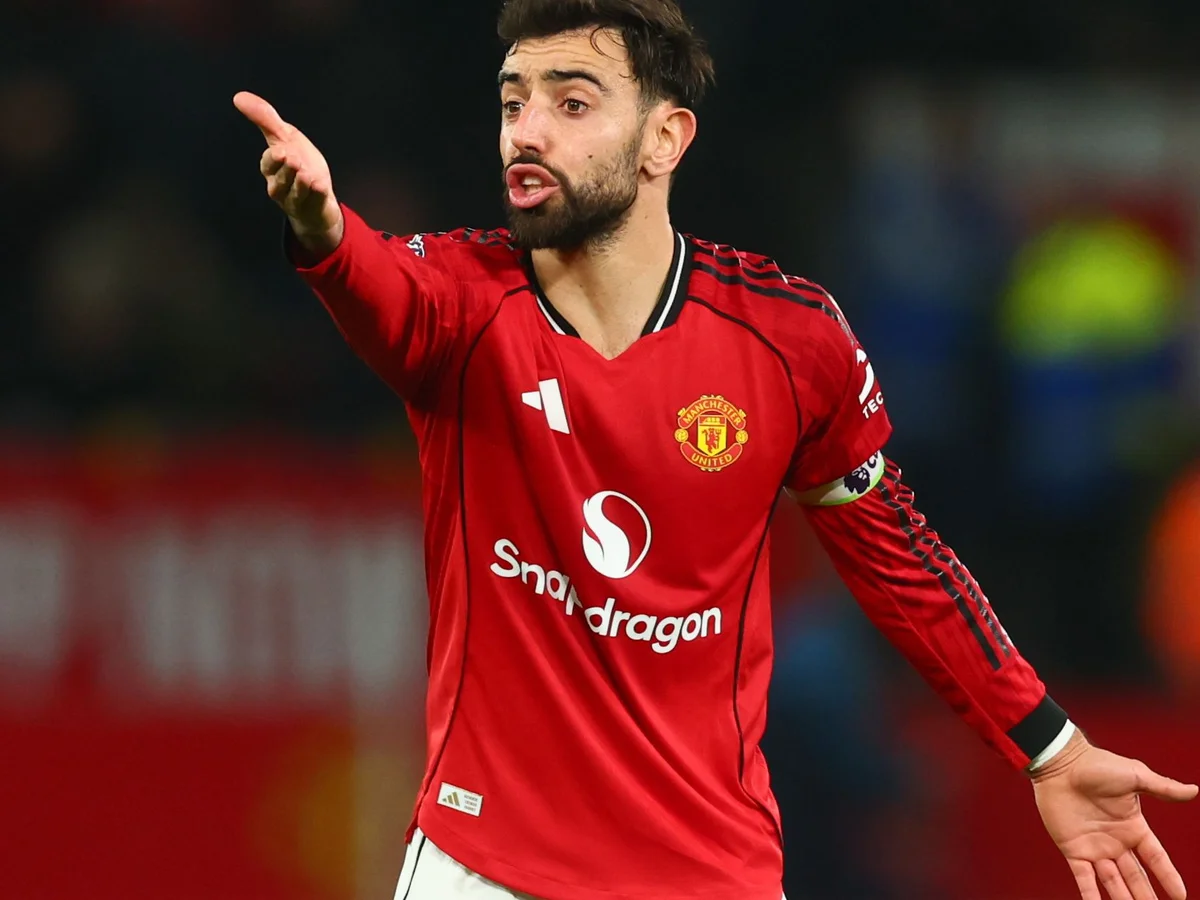
Bruno Fernandes has pulled back the curtain on a summer tug‑of‑war that left him feeling wounded and bewildered.
The Manchester United captain revealed in a recent interview that when Saudi giants Al‑Hilal tabled a blockbuster offer, he sensed the club’s stance was almost indifferent; a feeling that “hurt” him deeply.
A tempting offer, a painful realisation
Fernandes, 31, turned down a move to the Saudi Pro League despite reports that Al‑Hilal were prepared to pay a transfer fee of around £100m and wages of up to £700,000 a week.
He remains contracted to United until 2027, with an option for a further year, and has insisted he will not discuss his future until after next year’s World Cup.
Reflecting on the summer, Fernandes told Canal 11 that he felt the club’s message was clear: “If you go it’s not so bad for us.” The admission, he said, stung. “More than hurting me, it makes me sad,” he added, stressing his commitment and availability throughout his time at Old Trafford.
Loyalty over lucre
Fernandes painted a picture of sacrifice and principle. He acknowledged that a move would have brought far greater financial reward and the chance to collect trophies this season, but he chose to stay for family reasons and because he “genuinely love[s] the club.”
That loyalty sits alongside a glittering United record: since arriving from Sporting in January 2020 for £47m, Fernandes has racked up 307 appearances, 103 goals, and 93 assists for the Red Devils.
This season alone he has contributed five goals and seven assists in the Premier League, including a stunning free‑kick and an assist in the dramatic 4–4 draw with Bournemouth.
Mixed signals inside the club
Fernandes’ comments also hint at a split within United’s hierarchy. He suggested the board may have been willing to sanction his departure, while the manager — Ruben Amorim — urged him to stay. “I told the directors that, I think they didn't have the courage to make that decision because the manager wanted me,” Fernandes said, adding that had he pushed to leave, the club would have allowed it despite the manager’s wishes.
Sources told BBC Sport the interview was recorded weeks ago and that United have no desire to sell Fernandes, viewing him as central to their long‑term plans.
The revelations expose a delicate balancing act at Old Trafford: a club navigating commercial temptation, managerial preference, and the emotional bonds of a captain who has become synonymous with its revival.
Fernandes’ honesty will reverberate in the corridors of power at United and in the dressing room, forcing questions about loyalty, leadership and the club’s vision.
Whether this episode deepens Fernandes’ resolve or leaves a lingering fracture remains to be seen, but one thing is clear; his decision to stay was never merely a footballing choice. It was a statement about identity, sacrifice and the complicated price of belonging.































Comments
Sign in with Google to comment, reply, and like comments.
Continue with Google